Master Take the Lead Dog Training Tips!
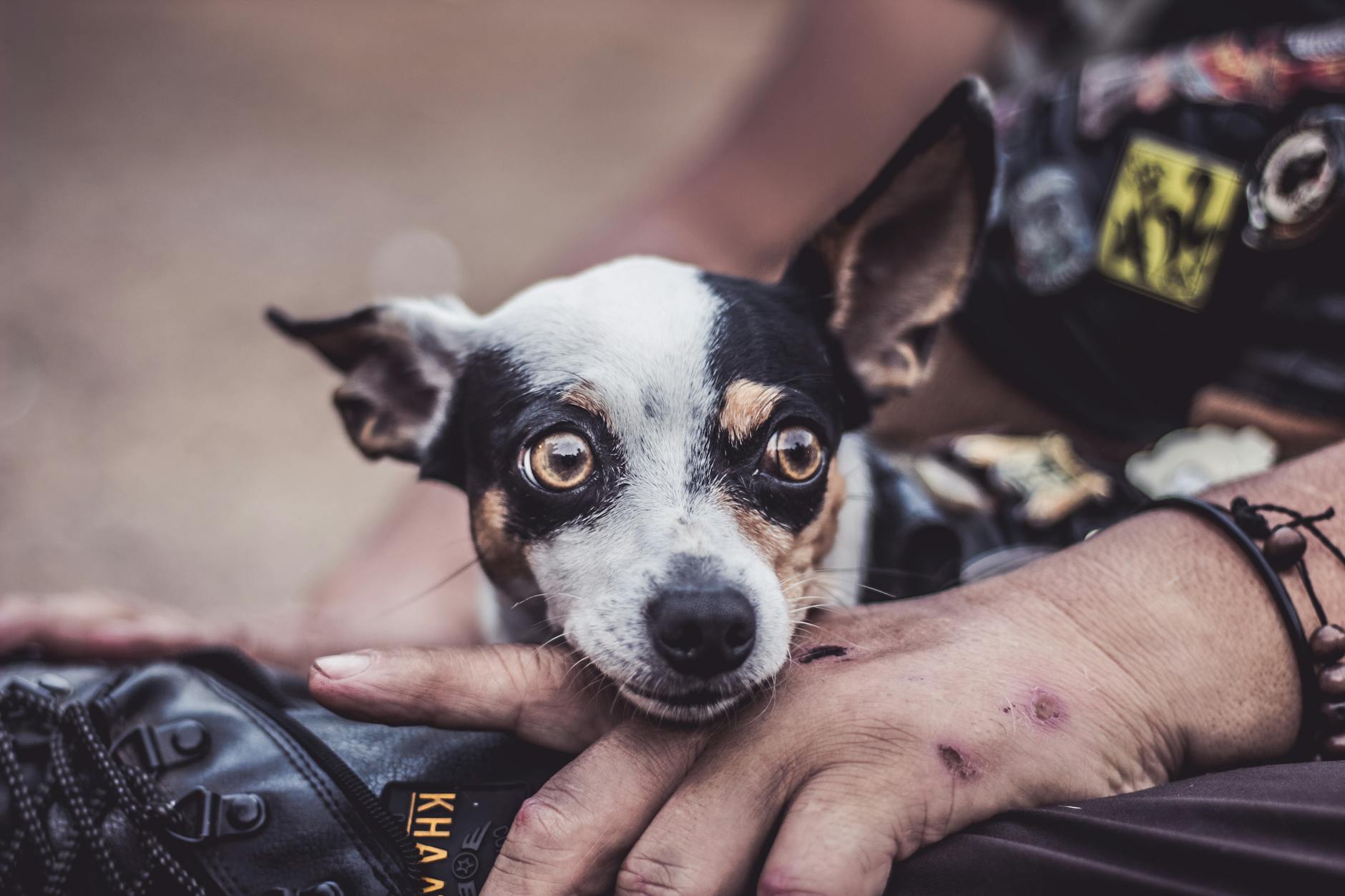
Training your dog is more than just a way to teach them new tricks; it's an opportunity to bond with your canine companion and establish a relationship built on mutual respect and understanding. When you effectively take the lead in your dog's training, you pave the way for a harmonious and obedient partnership. Here, we’ll explore some key tips to help you confidently guide your dog to better behavior and obedience.
Understanding the Pack Mentality
Before diving into the specific training tips, it's important to understand that dogs are pack animals. In a pack, there is a clear hierarchy and structure, which provide security and order. When training your dog, you are essentially aiming to position yourself as the pack leader—someone your dog respects and follows. This doesn't mean you need to be harsh or aggressive; rather, you should be assertive and consistent.
Establishing Yourself as the Pack Leader
-
Consistency is Key: Dogs learn through repetition. Be consistent with your commands and the behaviors you expect. If you vary the rules, it confuses your dog and makes training more difficult.
-
Set Clear Boundaries: Define where your dog is allowed to go and what they are allowed to do. Consistent boundaries make for a confident, secure dog.
-
Stay Calm and Confident: Dogs can sense your emotions. If you are nervous or unsure, your dog might not take you seriously. Stay calm and display confidence, making it clear that you are in charge.
-
Reward Good Behavior: Positive reinforcement is a powerful tool. Reward your dog with praise, treats, or playtime when they obey a command or exhibit good behavior.
-
Correct, Don’t Punish: If your dog misbehaves, correct the behavior with a firm "no" and redirect them to the right action. Punishment can create fear and damage your relationship.
Training Tips for Better Behavior and Obedience
Start with Basic Commands
Training should start with simple commands like sit, stay, come, and down. These foundational commands are not only essential for obedience but also help establish your role as the leader.
Socialization
Socializing your dog from a young age can prevent behavioral issues down the line. Expose your dog to different people, animals, environments, and situations to help them become well-adjusted.
Exercise and Mental Stimulation
A bored or energy-filled dog is more likely to exhibit behavioral problems. Ensure your dog gets adequate physical exercise and mental stimulation throughout the day.
Be Patient and Positive
Training takes time, and every dog learns at its own pace. Approach training with patience and maintain a positive attitude. This encourages your dog to learn and strengthens your bond.
Utilize Professional Help if Needed
Don't be afraid to seek the assistance of a professional dog trainer, especially if you encounter persistent issues or if your dog displays signs of aggression.
Keep Training Sessions Short and Fun
Dogs have short attention spans. Keep training sessions short—around 10 to 15 minutes—and make them enjoyable for your dog. This helps keep them engaged and eager to learn.
Conclusion
By following these tips and maintaining a leadership role, you can train your dog effectively. Remember, training is an ongoing process that requires time, dedication, and patience. With consistent effort, you can unlock your dog's potential and enjoy the rewarding experience of leading your pack with confidence.